I. Cell
Key focus of this chapter: biological macromolecules
This chapter focuses on biological macromolecules and gives concise summaries of the important things about cell membrane and cellular respiration in more detail.
A. Biological Macromolecules
Most biological molecules are composed primarily of carbon (C), hydrogen (H), oxygen (O), nitrogen (N), phosphorus (P), and sulfur (S), collectively known as CHNOPS.
• Nucleic acids: C, H, O, N, and P
• Proteins: primarily C, H, O, and N; some proteins also contain S
1. Carbohydrates (sugar)
• Carbohydrates are composed primarily of carbon, hydrogen, and oxygen, often in an approximate 1:2:1 ratio.
• Functions: energy supply, energy storage, structural support, and cell recognition
|
2. Proteins
a. Amino acid
• Amino acids are the monomers of proteins.
• Each amino acid contains a central α-carbon bonded to an amino group, a carboxyl group, a hydrogen atom, and a variable side chain called an R group.
• The 20 common amino acids differ in the chemical properties of their R groups.
b. Polypeptide
• Amino acids are joined by peptide bonds through dehydration reactions to form polypeptide chains.
• Peptide bonds are formed by dehydration synthesis and broken by hydrolysis.
• Proteins perform many functions, including enzymatic catalysis, signaling, regulation, transport, storage, defense, structural support, and movement.
• High temperature, extreme pH, or certain chemicals can denature a protein by disrupting its secondary, tertiary, or quaternary structure, often causing loss of function.
• Denaturation usually does not break the peptide bonds of the primary structure.
|
3. Lipids
a. Fat
|
• Fats are more energy-dense than carbohydrates and proteins.
• A triacylglycerol, also called a triglyceride, consists of one glycerol molecule joined to three fatty acids by ester linkages.
b. Phospholipids
• Amphipathic molecules with hydrophilic heads and
hydrophobic fatty acid tails.
• Spontaneously form bilayers in aqueous environments, creating the basic
structure of cell membranes.
c. Steroids
• Steroids are lipids characterized by four fused carbon
rings.
• Examples include cholesterol, testosterone,
estradiol, cortisol, and vitamin D.
• Cholesterol is an important component of
animal cell membranes and helps regulate membrane fluidity and permeability.
• Cholesterol is also a precursor of steroid hormones, bile acids, and vitamin D.
• Waxes are hydrophobic lipids that provide protective and water-resistant coatings.
Nucleic acids
• Store and transmit genetic information.
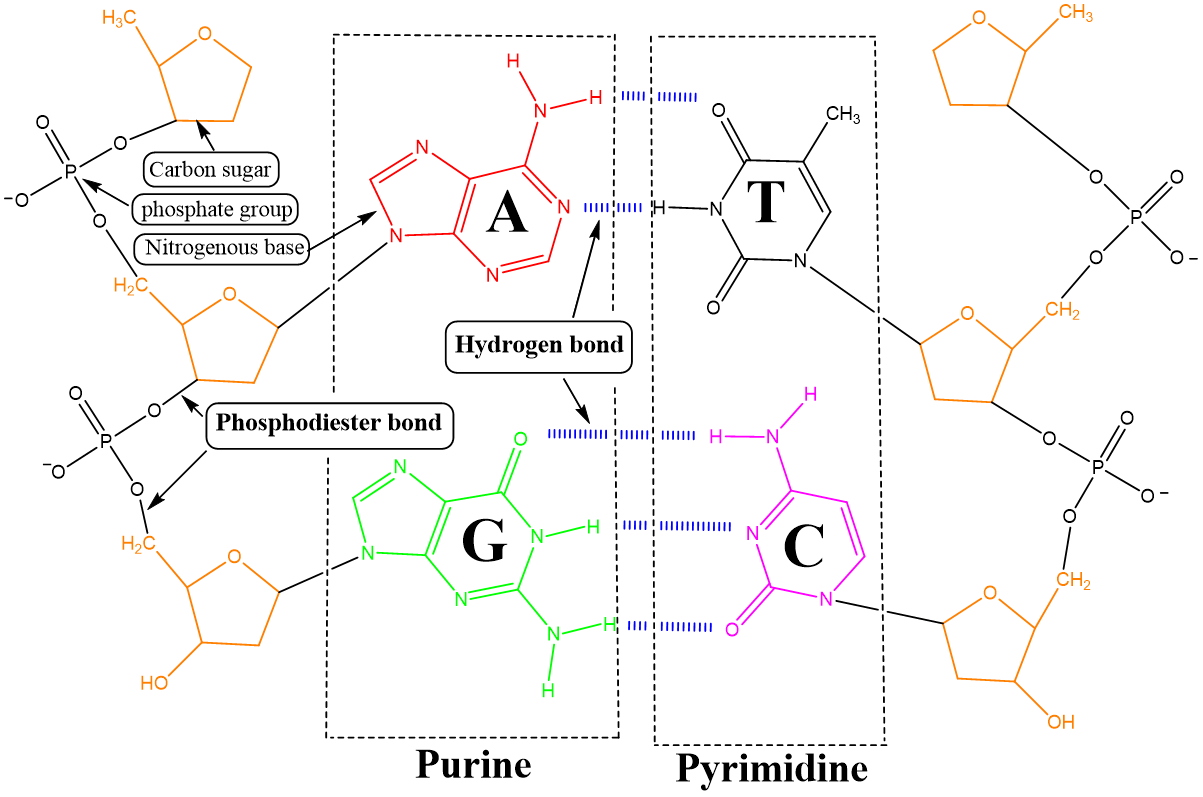
• Composed of nucleotides, each containing a five-carbon sugar, a nitrogenous base, and one or more phosphate groups.
• Nucleotides within a strand are linked by phosphodiester bonds.
• Complementary DNA strands are held together by hydrogen bonds between nitrogenous bases.
• The two strands of DNA run antiparallel to each other.
|
Fig. 1 Structure of DNA
|
B. Shapes and functions of cells
1. Cell theory
• The cell is the smallest unit capable of performing all functions of life.
• All living organisms are composed of one or more cells.
• All cells arise from preexisting cells.
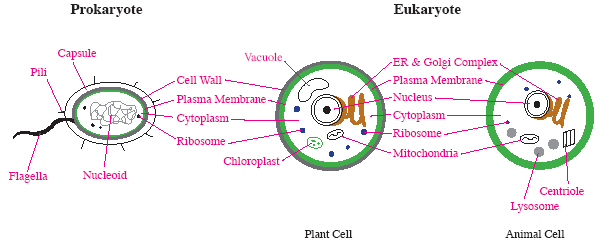
2. Differences between prokaryotic and eukaryotic cells
|
3. Structures of prokaryotic and eukaryotic cells
Fig. 2
| ||||||||||||||||||||||||||||||||||||||||||||||||||||||
a. Functions of organelles
|
b. Cytoskeleton
|
c. Membrane classification of organelles
|
d. Extracellular matrix
• Collagen is the most abundant structural protein in animals and forms a triple-helix structure.
a. Endomembrane system
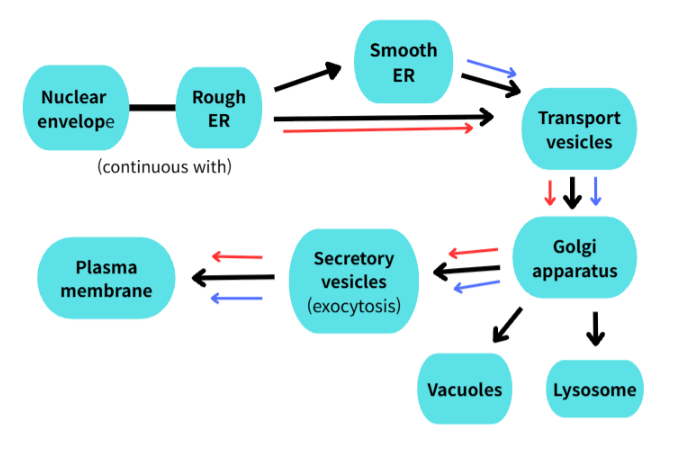
** Simplified pathway for DAT review. Some lipids may follow alternative intracellular transport pathways.
b. Cell growth and the surface-area-to-volume ratio
• If a cell's linear dimensions increase tenfold, its surface area increases 100-fold.
• Its volume increases 1,000-fold, causing the surface-area-to-volume ratio to decrease.
C. Cell communication
Cells communicate with one another to coordinate growth, development, and responses to environmental signals.
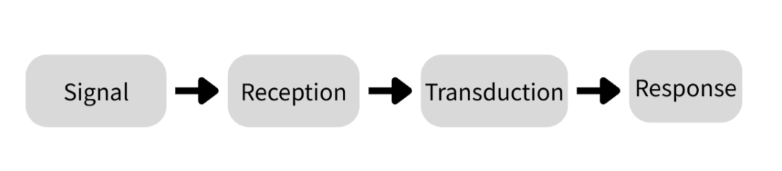
1. Signal
a. Direct cell-to-cell signaling
|
b. Local signaling
• Paracrine signal
- Signaling molecules diffuse through extracellular fluid to nearby target cells.
-
- Examples: growth factors, clotting factors, histamine, and nitric oxide.
• Synaptic signal
- Neurotransmitters are released into a synaptic cleft and bind receptors on nearby target cells.
c. Long-distance signaling
• Endocrine signal
- Hormones are released into the bloodstream and travel to distant target cells.
-
- Examples: estradiol, testosterone, epinephrine, and insulin.
2. Reception
a. Cell surface reception
Plasma membrane receptors bind signaling molecules that cannot readily cross the lipid bilayer.
• Ligand-gated ion channel receptors
- Open or close ion channels in response to ligand binding.
• G protein-coupled receptors
- Activate G proteins, which relay signals to intracellular effector proteins and enzymes.
• Receptor tyrosine kinases
- Ligand binding activates receptor tyrosine kinases, which use ATP to phosphorylate themselves and intracellular proteins.
b. Intracellular reception
Intracellular receptors bind hydrophobic signaling molecules, such as steroid hormones, inside the cell.
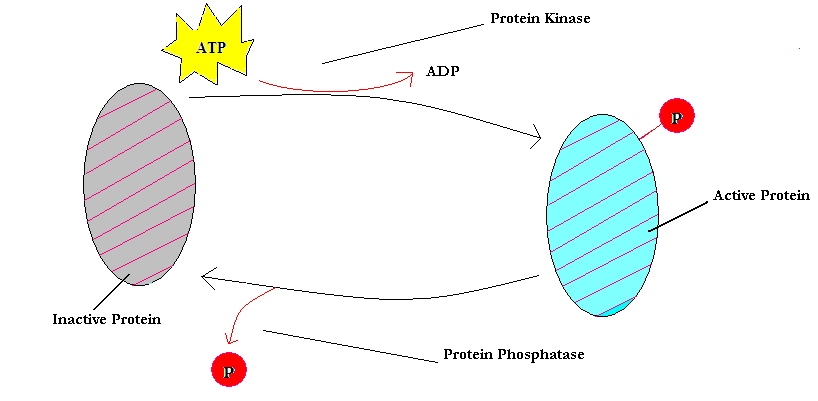
a. Phosphorylation cascade
A series of protein kinase activations in which each kinase phosphorylates and activates the next protein in the pathway.
• Phosphorylation
- Protein kinase: An enzyme that transfers a phosphate group from ATP to a target protein.
- Protein phosphatase: An enzyme that removes phosphate groups from proteins.
Fig. 4
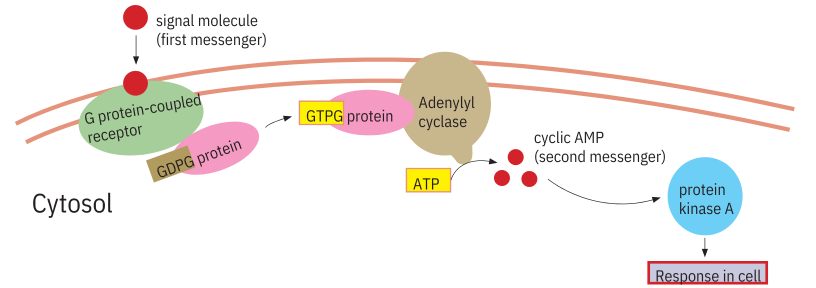
b. G protein signaling pathway
• A first messenger binds to and activates a G protein-coupled receptor.
• Adenylyl cyclase converts ATP to cAMP.
• cAMP acts as a second messenger and activates protein kinase A (PKA).
Fig. 5
c. Calcium and IP₃ signaling pathway
• A first messenger binds to and activates a G protein-coupled receptor.
• Phospholipase C (PLC) hydrolyzes PIP₂ into two second messengers: IP₃ and DAG.
• IP₃ binds to IP₃-gated Ca²⁺ channels in the endoplasmic reticulum, causing Ca²⁺ to be released into the cytosol.
• Ca²⁺ acts as a second messenger and activates various target proteins.
• DAG, together with Ca²⁺, activates protein kinase C (PKC).
4. Response
The cellular response may involve changes in gene expression or cytoplasmic activity.
• Separates the inside of the cell from the outside environment.
• Selectively transports molecules into and out of the cell.
• Allows cell growth and movement.
• Enables communication with other cells.
2. Structural components
• Phospholipids – Form a bilayer; each phospholipid has a hydrophilic head and hydrophobic tails.
• Proteins – Integral (transmembrane) proteins and peripheral proteins.
• Cholesterol – Embedded in the membrane and helps maintain membrane fluidity under different environmental conditions.
• Glycolipids – Function in cell recognition and cell-to-cell communication.
• Fluid Mosaic Model – The membrane is a dynamic structure composed of phospholipids, proteins, and cholesterol.
3. Passive transport
Movement of substances from a region of higher concentration to a region of lower concentration.
• Does not require energy.
• Simple diffusion occurs directly through the phospholipid bilayer.
• Facilitated diffusion requires transport proteins but does not require ATP.
• Water moves by osmosis through aquaporins.
a. Diffusion
• Net movement of molecules from an area of higher concentration to an area of lower concentration due to random molecular motion.
• Examples: movement of O₂ and CO₂ across the cell membrane and movement of dissolved solutes down their concentration gradients.
b. Osmosis
• Diffusion of water across a selectively permeable membrane from an area of high water potential to an area of low water potential.
• Example: water moving through aquaporin channels in cell membranes.
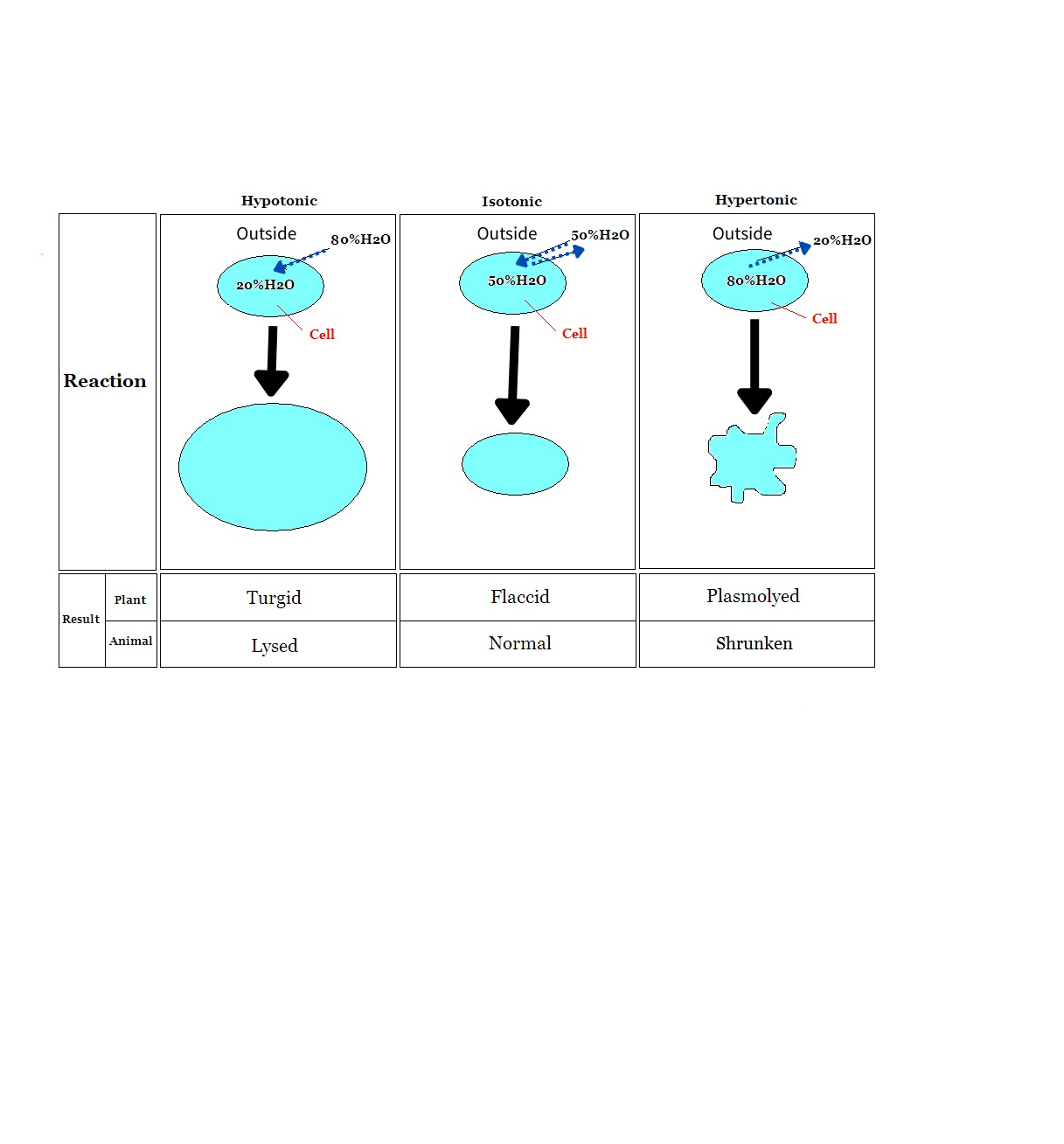
• When a cell is placed in a:
- Hypotonic solution: animal cells may lyse; plant cells become turgid.
• Water enters the cell, causing it to swell.
• Example: a red blood cell may swell and burst in distilled water.
- Isotonic solution: animal cells remain normal; plant cells become flaccid.
- Hypertonic solution: animal cells shrink (crenate); plant cells become plasmolyzed.
• Water leaves the cell, causing it to shrink.
Movement of substances from an area of lower concentration to an area of higher concentration using cellular energy (usually ATP).
• Requires ATP (directly or indirectly).
• Examples: sodium-potassium pump, proton pump, electrogenic pump, and cotransport (symport and antiport).
5. Bulk transport
Movement of large particles or macromolecules into or out of a cell using vesicles.
| |||||||||||||
E. Energy and life
1. Metabolism
The sum of all chemical reactions that occur in living organisms.
• Catabolic pathways - Break down complex molecules into simpler molecules and release energy.
• Anabolic pathways - Build complex molecules from simpler molecules using energy.
2. Laws of energy
a. First law of thermodynamics
• Principle of conservation of energy: energy can be transferred and transformed but cannot be created or destroyed.
• Eg/ Chemical energy stored in food can be converted into kinetic energy and heat.
b. Second law of thermodynamics
• Energy transformations increase the entropy of the universe.
• Example: heat is released during energy transformations in living organisms.
3. Homeostasis
Regulation of a stable internal environment despite changes in the external environment.
• Negative feedback
– Counteracts changes to restore internal conditions to their normal state.
– Most homeostatic mechanisms operate through negative feedback.
– Eg/ Regulation of body temperature and blood glucose levels.
• Positive feedback – Reinforces the original stimulus, causing the response to continue.
- Eg/ Childbirth and blood clotting.
F. Enzymes
A biological catalyst, usually a protein, that increases reaction rate by lowering activation energy without being consumed.
• Often undergoes a conformational change when the substrate binds.
• Does not change ΔG, the equilibrium constant (Kₑq), or the equilibrium concentrations of reactants and products.
• Enzyme activity is affected by temperature, pH, enzyme concentration, and substrate concentration.
• Each enzyme has an optimal temperature and pH range.
• Can be reused after catalysis.
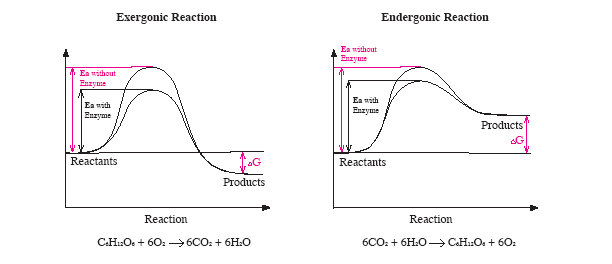
1. Reaction
• Exergonic reaction: releases free energy (ΔG < 0).
• Endergonic reaction: requires an input of free energy (ΔG > 0).
Fig. 8
2. Structure of enzyme
Fig. 9
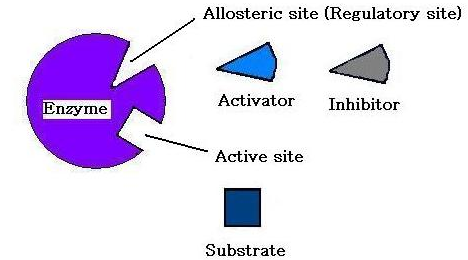
• Allosteric site
- A regulatory site distinct from the active site.
- Binds regulatory molecules, such as activators or inhibitors.
• Active site – Substrate binding site
3. Regulation of enzyme
a. Allosteric Enzyme
An allosteric enzyme can be activated or inhibited when a regulatory molecule binds to an allosteric site.
Fig. 10
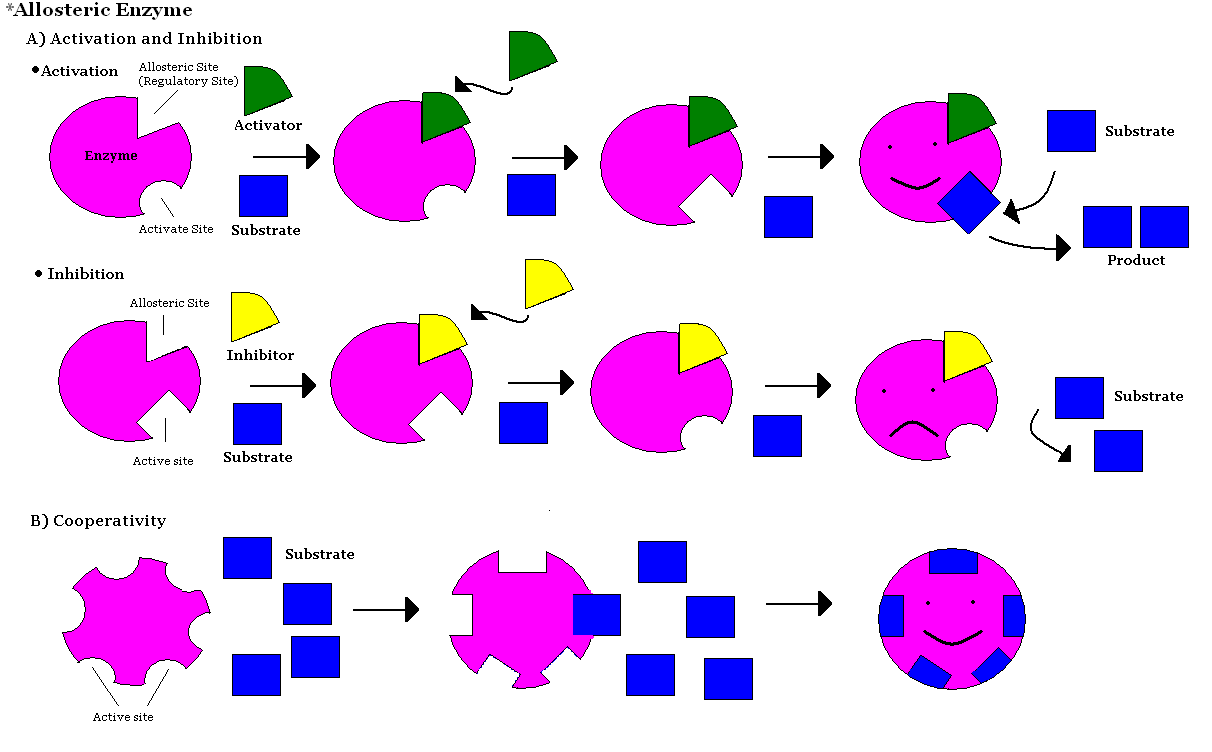
• Activation – An activator stabilizes the enzyme's active conformation and increases activity.
• Inhibition – An inhibitor stabilizes an inactive conformation and decreases activity.
• Cooperativity
- Binding of a substrate to one subunit increases the affinity of the remaining subunits for the substrate.
- This amplifies enzyme activity over a narrow range of substrate concentrations.
b. Enzyme with inhibition
Fig. 11
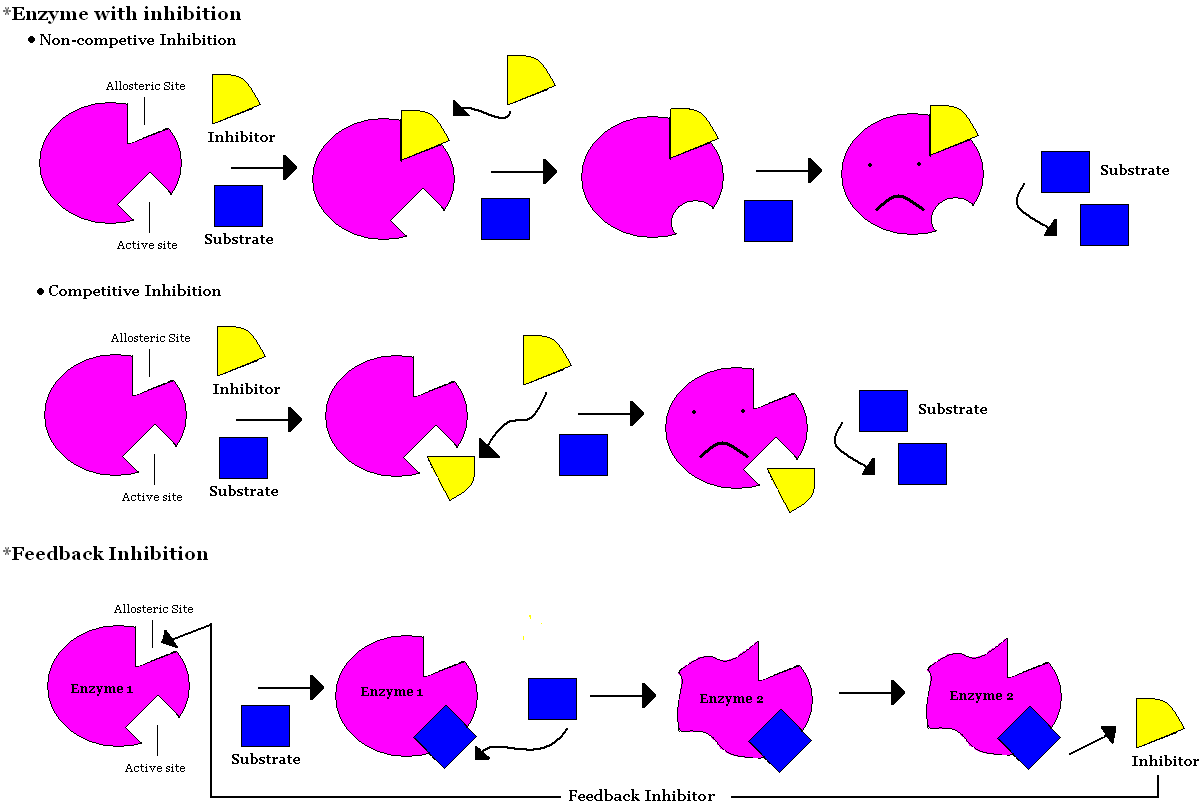
• Non-competitive inhibition
– An inhibitor binds to an allosteric site and reduces enzyme activity.
• Competitive inhibition
– An inhibitor competes with the substrate for the active site.
• Feedback inhibition
- The end product of a metabolic pathway inhibits an enzyme that acts early in the pathway.
G. Photosynthesis
1. Redox reaction
a. Oxidation
• Losing electron and hydrogen
• Gaining oxygen
b. Reduction
• Gaining electron and hydrogen
• Losing oxygen
** OILRIG – Oxidation Is Losing electron and Reduction Is Gaining electron
2. Chloroplast
A double-membrane organelle that converts light energy into chemical energy during photosynthesis.
a. Structure of chloroplast
Fig. 12
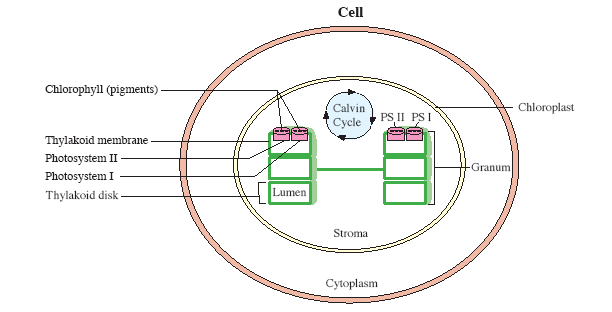
b. Larger to smaller structure

c. Photosynthesis
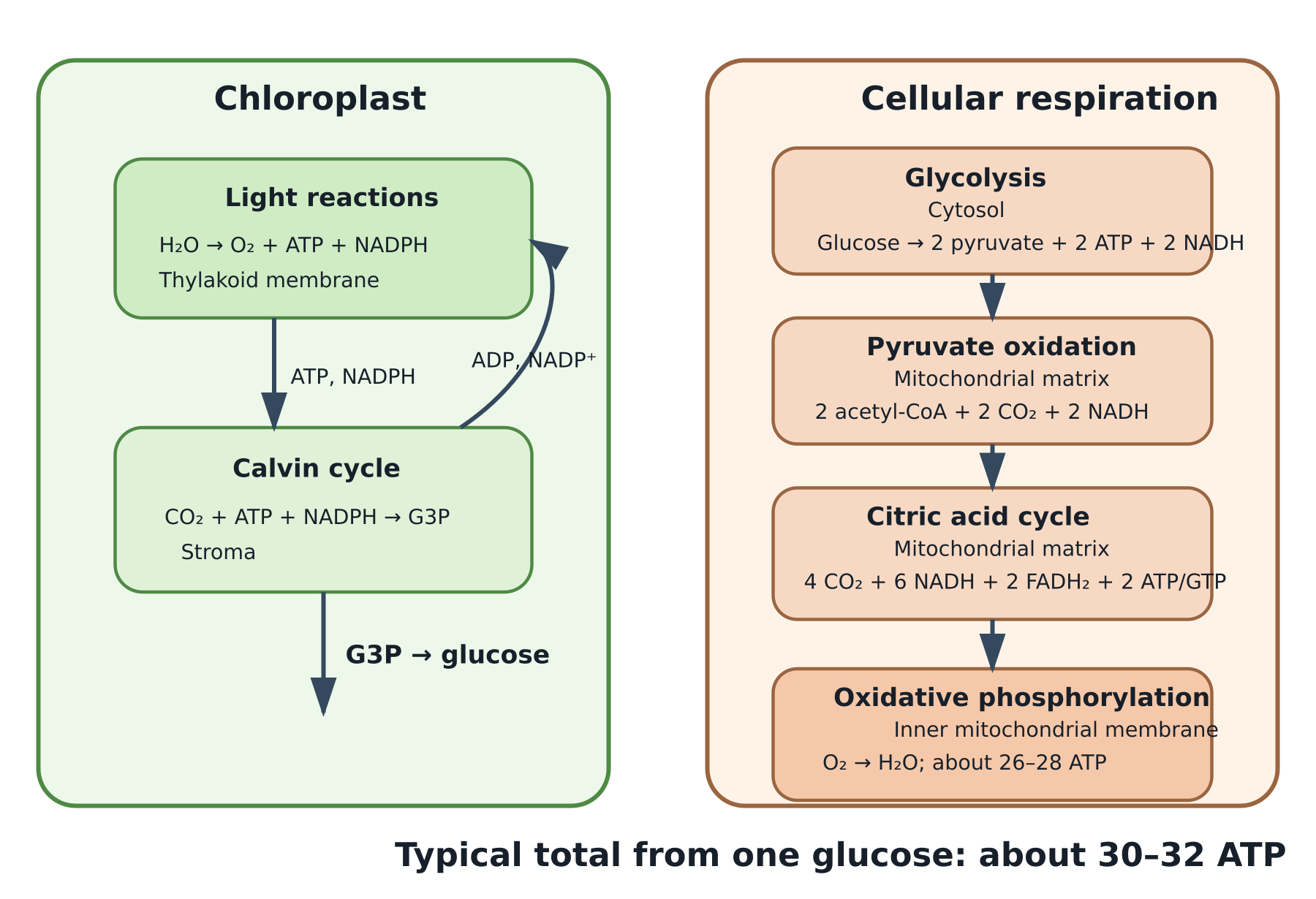
Uses light energy to produce ATP and NADPH; the Calvin cycle then uses these molecules to reduce CO₂ and produce G3P.
• Simplified overall equation: 6CO₂ + 6H₂O + light energy → C₆H₁₂O₆ + 6O₂
• Occurs in plants, algae, and some bacteria.
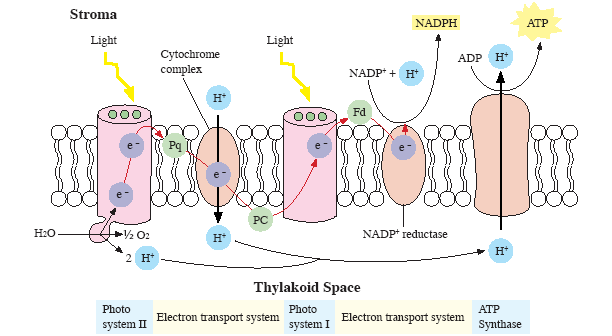
i. Light dependent (light reaction)
• Takes place in the thylakoid membrane.
• Photosynthetic pigments (light receptors)
• Chlorophyll contains a magnesium-containing porphyrin ring and a hydrophobic hydrocarbon tail.
- • Chlorophyll a is the primary photosynthetic pigment; it absorbs mainly violet-blue and red light.
- • Chlorophyll b is an accessory pigment that broadens the spectrum of absorbed light.
- • Carotenoids absorb blue-green light and provide photoprotection by dissipating excess energy.
• At photosystem II, water is split to replace electrons, releasing H⁺ and O₂.
H₂O → 2e⁻ + 2H⁺ + ½O₂
• Electron flow through photosystem II contributes to a proton gradient that drives ATP synthesis.
• Photosystem I re-energizes electrons and ultimately reduces NADP⁺ to NADPH.
• The cytochrome b₆f complex uses electron-transfer energy to pump H⁺ into the thylakoid space.
• H⁺ then diffuses through ATP synthase into the stroma, driving ATP synthesis by chemiosmosis.
Fig. 13
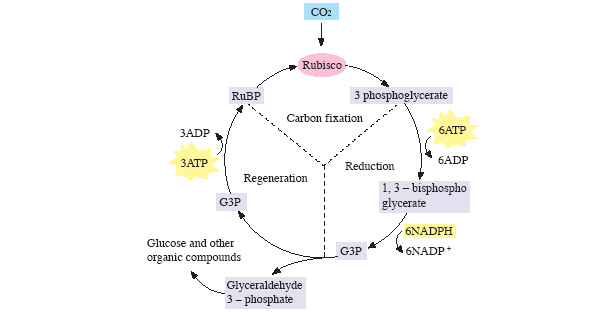
ii. Light-independent reactions (Calvin cycle)
• Take place in the stroma.
• Use ATP and NADPH to reduce CO₂ and produce G3P.
• Carbon fixation is catalyzed by rubisco.
RuBP (ribulose-1,5-bisphosphate) + CO₂ → two molecules of 3-phosphoglycerate (3-PGA) per turn.
• Glyceraldehyde-3-phosphate (G3P) is the carbohydrate product that can be used to form glucose and other organic molecules.
Fig. 14
d. Photosynthesis in C₃, C₄, and CAM plants
• C3 plants
Examples: most crops, including rice, wheat, and soybeans.
• C4 plants
- Adapted to hot, dry conditions.
- Spatial separation: initial CO₂ fixation occurs in mesophyll cells, whereas the Calvin cycle occurs in bundle-sheath cells.
- Examples: sugarcane and corn.
• CAM plants
- Adapted to arid conditions.
- Temporal separation: CO₂ is fixed at night and supplied to the Calvin cycle during the day.
- Stomata generally open at night and close during the day.
- Examples: cacti and pineapples.
H. Cellular respiration
A set of metabolic pathways that oxidize organic molecules to produce ATP.
• Includes glycolysis, pyruvate oxidation, the citric acid cycle, and oxidative phosphorylation; fermentation can follow glycolysis when oxygen is unavailable.
C₆H₁₂O₆ + 6O₂ → 6CO₂ + 6H₂O + energy (ATP + heat)
Fig. 15
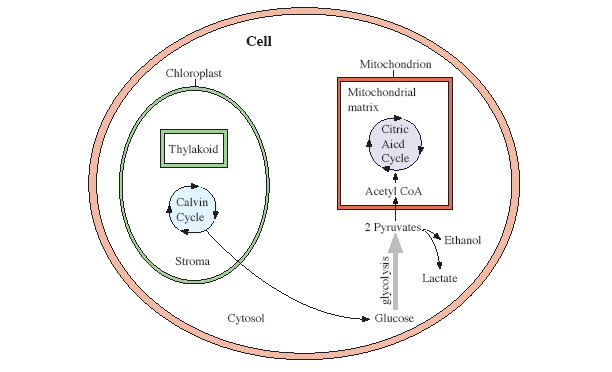
1. Glycolysis
A metabolic pathway in the cytosol that converts one glucose molecule into two pyruvate molecules.
• Invests 2 ATP and produces 4 ATP, for a net gain of 2 ATP.
• Also produces 2 NADH and 2 H₂O per glucose.
|


2. Fermentation
Allows glycolysis to continue without oxygen by regenerating NAD⁺; fermentation itself produces no additional ATP.
Fig. 16
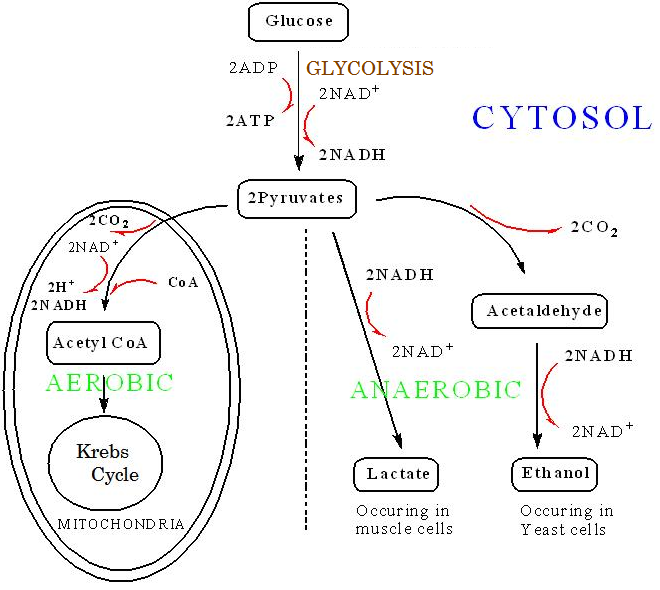
• Pyruvate is reduced to lactate, or converted to ethanol and CO₂, depending on the organism and pathway.
• Lactate fermentation occurs in some cells, including exercising muscle cells under limited oxygen availability.
• Alcohol fermentation occurs in yeast and some microorganisms.
• Lactate can travel to the liver and be converted back to glucose through the Cori cycle.
• Both pathways regenerate NAD⁺ so glycolysis can continue.
3. Mitochondria
A double-membrane organelle where pyruvate oxidation, the citric acid cycle, and oxidative phosphorylation occur.
• Major site of aerobic cellular respiration and ATP production.
a. Structure of mitochondria
• Double membrane
• Cristae
• Matrix
• Krebs cycle
b. Acetyl CoA
• Pyruvate oxidation occurs in the mitochondrial matrix before the citric acid cycle.
• Per glucose, two pyruvate molecules produce 2 acetyl-CoA, 2 CO₂, and 2 NADH.
c. Krebs cycle (Citric acid cycle, TCA cycle)
Fig. 17
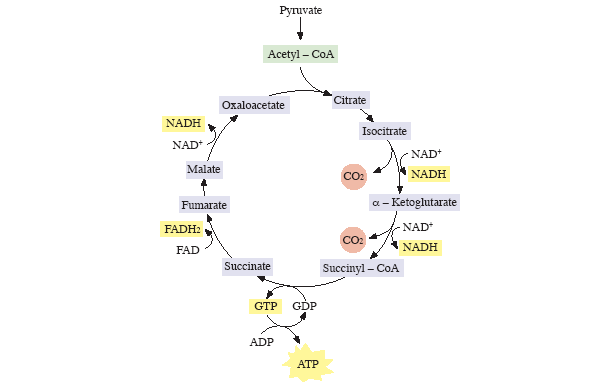
• Occurs in the mitochondrial matrix under aerobic conditions.
• Acetyl-CoA combines with oxaloacetate to form citrate.
• Per glucose, two turns produce 6 NADH, 2 FADH₂, 2 GTP (or ATP), and 4 CO₂.
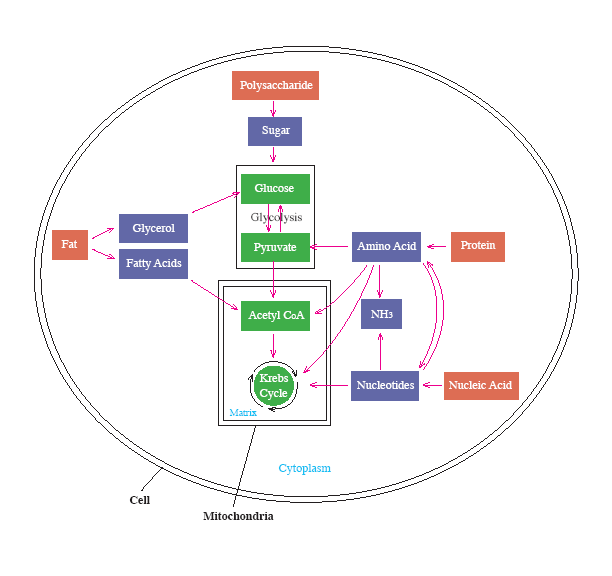
d. Catabolism of various macromolecules
• Gluconeogenesis – Synthesis of glucose from noncarbohydrate precursors such as lactate, glycerol, and glucogenic amino acids.
Fig. 18
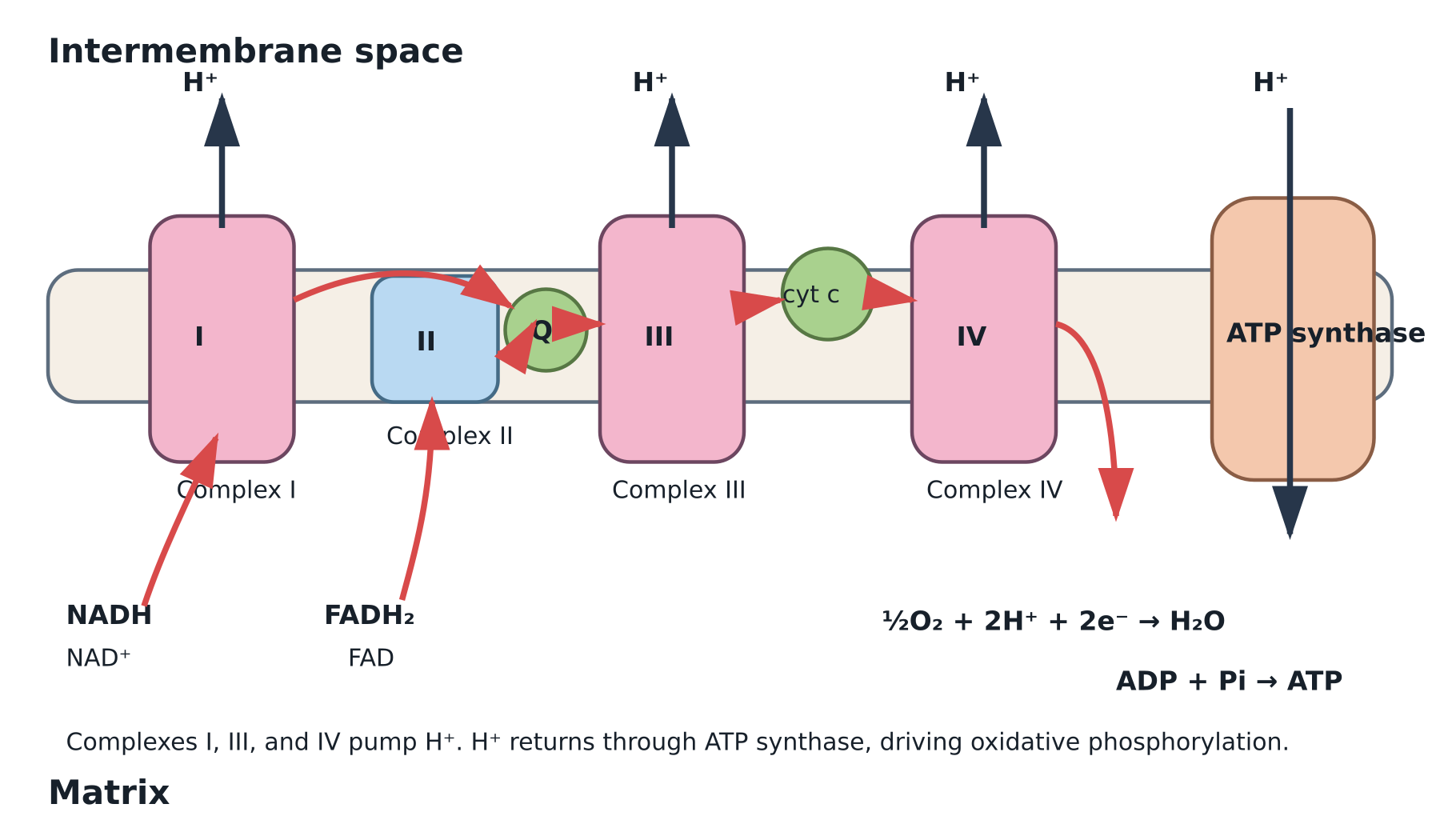
e. Electron transport
• The electron transport chain and chemiosmosis at the inner mitochondrial membrane together constitute oxidative phosphorylation.
• Ubiquinone (Q) is a lipid-soluble carrier, whereas cytochrome c is a small, water-soluble peripheral membrane protein.
• Complexes I, III, and IV pump H⁺ from the matrix into the intermembrane space, creating a proton-motive force.
• H⁺ flows back through ATP synthase, driving ATP production.
• Oxidative phosphorylation typically produces about 26–28 ATP per glucose.
• O₂ is the final electron acceptor and is reduced to H₂O.
Fig. 19
4. Overall relationship between photosynthesis and cellular respiration
a. Chloroplasts
• The light reactions split water, release O₂, and generate ATP and NADPH.
• Fixation of six CO₂ molecules requires 18 ATP and 12 NADPH in standard textbook accounting.
• Six turns of the Calvin cycle yield two net G3P molecules, which can be used to form one glucose.
b. Mitochondria
• Per glucose, two turns of the citric acid cycle produce 4 CO₂, 6 NADH, 2 FADH₂, and 2 GTP (or ATP).
• Oxidative phosphorylation typically produces about 26–28 ATP and H₂O.
Typical ATP yield from cellular respiration per glucose: about 30–32 ATP
• Glycolysis: net 2 ATP
• Citric acid cycle: 2 GTP (or ATP)
• Oxidative phosphorylation: about 26–28 ATP
c. Mitochondria and chloroplasts
• Semiautonomous organelles containing their own circular DNA and bacterial-like ribosomes.
• Their origin is explained by the endosymbiotic theory.
Fig. 20